Blog, News and Events

We are revolutionizing the translational potential of animal models in preclinical research. Discover the latest articles and news about our recent activities.

The PXB-mouse: Humanized Liver Model of HBV infection for Therapeutic Development

Hepatitis B virus (HBV) is a global public health challenge that impacts millions of people worldwide. Chronic HBV infection can lead to cirrhosis and hepatocellular carcinoma, severe diseases that are difficult to treat. 254 million people are living with chronic HBV and, while an effective vaccine for HBV exists, a further ~1.2 million people acquire the infection annually, especially in areas where healthcare resources are limited. Effective treatment options also exist, but they are not curative. HBV belongs to the hepadnavirus family, and contains a 3.2 kilobase relaxed circular DNA (rcDNA) genome. A hindrance to understanding the biology of HBV and developing therapeutics to cure the disease is the fact that HBV is significantly host restricted, and infection is limited to human and chimpanzee hepatocytes1. Thus, traditional preclinical models, such as mice and rats, that are routinely used in drug development are not suitable for HBV studies.

Topics icon PXB-mouse, Blog, PXB-cells

PXB-mouse: Gold standard humanized liver mouse model for HBV research

Testing the Efficacy of cccDNA-targeted Base Editing

Nearly 300 million people worldwide suffer from chronic hepatitis B virus (HBV) infections.1 Chronic HBV causes inflammation and is associated with an increased risk of extensive liver damage and can progress to hepatocellular carcinoma. The traditional therapeutic approach uses antiviral therapies, such as entecavir and tenofovir; while these therapeutics suppress HBV DNA levels they need to be continued long-term as they often do not lead to functional cure. Therefore, novel therapeutics are under development as monotherapies or co-therapy options to achieve functional cure.

Topics icon PXB-mouse, Blog, PXB-cells

Base editing the Hepatitis B Virus

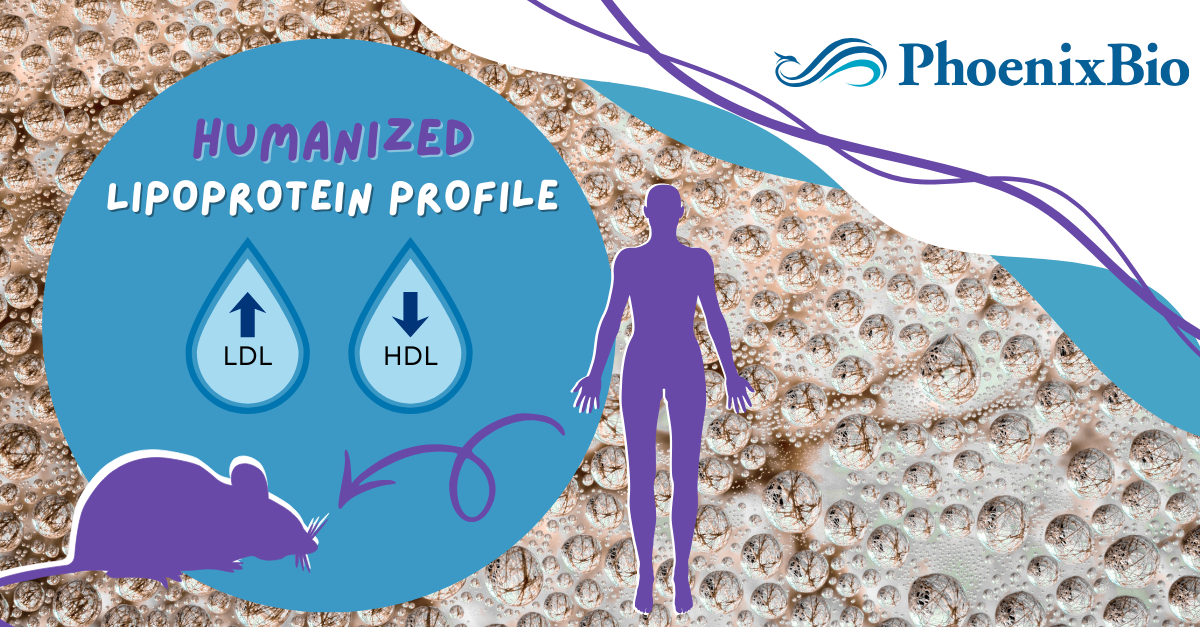
Exploring the Human Lipoprotein Profile of PXB-mice and PXB-cells

Lipids are important biomolecules that contribute to homeostasis. They can act as energy reserves, are used structurally, and play an important role in metabolic processes including drug metabolism. Lipids complex with proteins resulting in a lipoprotein particle that enables the hydrophobic lipids to be transported throughout the body via the blood stream. Changes in the lipoprotein/lipid profile are associated with diseases such as metabolic dysfunction-associated fatty liver disease (MAFLD), atherosclerosis, hypothyroidism, and cardiovascular disease as well as some genetic disorders. As such, therapeutics are being developed to target dyslipidemia.

Topics icon PXB-mouse, Blog, PXB-cells

Translational models with human lipoprotein profile

Translational liver disease models designed to suit your research needs

At PhoenixBio, we strive to help improve human health through the broad application of our humanized liver chimeric mouse model, the PXB-mouse. Our chimeric mouse model has a highly humanized liver, with human-specific metabolism pathways and gene expression as well as human-like lipid profiles, making this a relevant model for drug discovery and development projects. While we commercially produce PXB-mice using a single human hepatocyte donor lot, we understand that some research may require different hepatocyte donors, such as donors with specific characteristics (HLA typing or disease state) or even donors from different species (NHPs, humans, or others). Therefore, we offer custom transplantation services with our host mouse (cDNA-uPA/SCID background) which allows researchers to select and test engraftment of a hepatocyte donor that meet their specific research needs. First, we will highlight research that used a hepatocyte donor transplanted by our expert team into host animals for a rare genetic disease, Ornithine Transcarbamylase Deficiency (OTCD).

Topics icon PXB-mouse, Blog

Translational Human Liver Disease Models

Bridging the translational gap: Humanized Liver models as predictive tools for RNA therapeutic success

The field of RNA therapeutics, with its potential for treating a wide range of diseases, continues to experience rapid growth and attracts significant investment. According to the American Society of Gene & Cell Therapy (ASGCT), as of Q1 2025, 35 RNA therapies have been approved globally and another 1,298 are currently in development (between preclinical and pre-registration stages) [1].

Topics icon PXB-mouse, Blog

Bridging the Gap

Humanized Liver Models: Revolutionizing RNA Therapeutic Development

The rapid growth of RNA therapeutics, including siRNA and mRNA, is transforming the pharmaceutical and medical landscape, offering unprecedented potential for treating diseases ranging from viral infections to metabolic disorders. Despite this promise, translating these groundbreaking treatments from the lab to the clinic is fraught with challenges.

Topics icon PXB-mouse, News, Blog

Humanized Liver PXB-Mouse

Sign-up to our newsletter for the latest news and information straight to your inbox